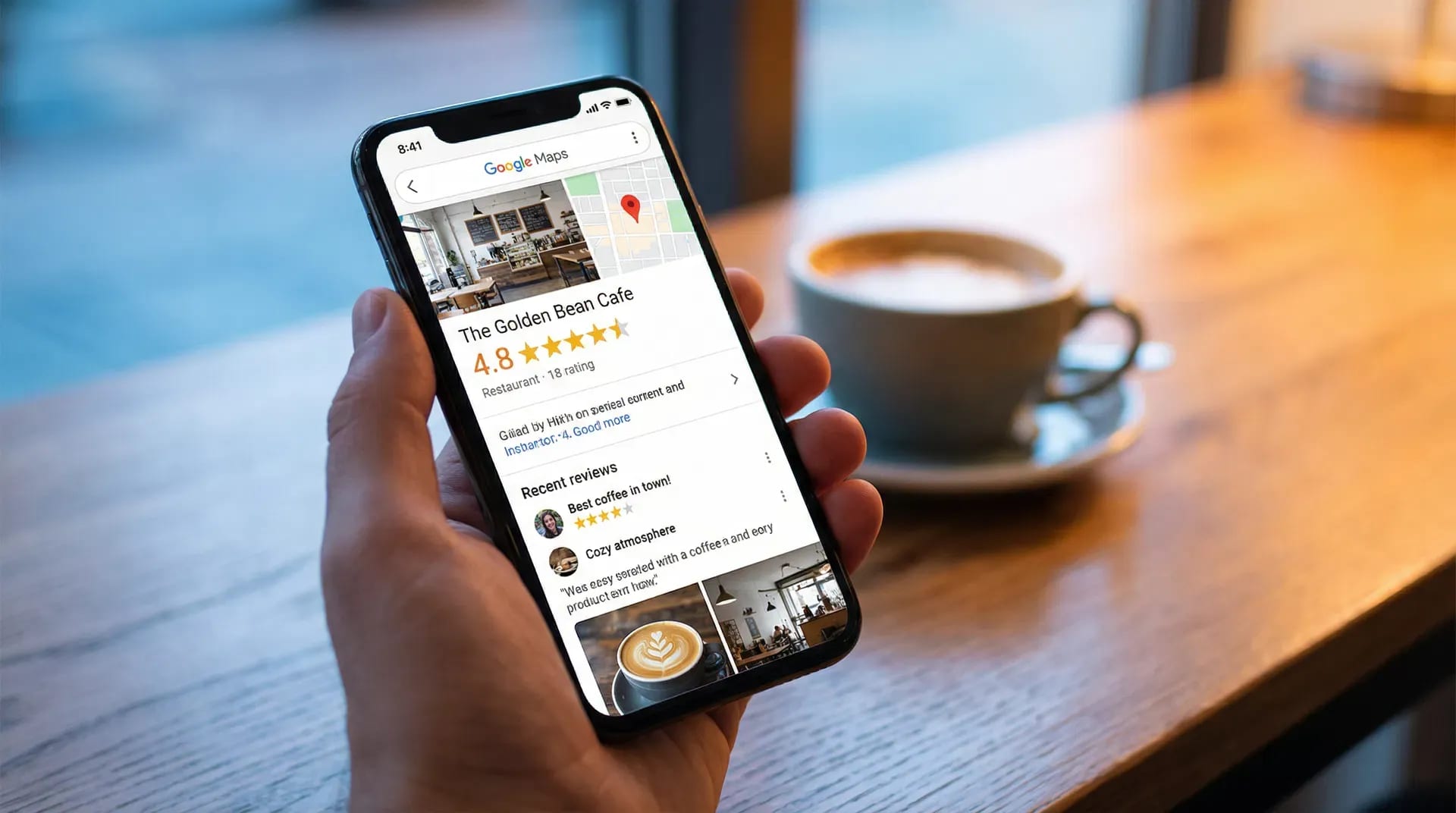
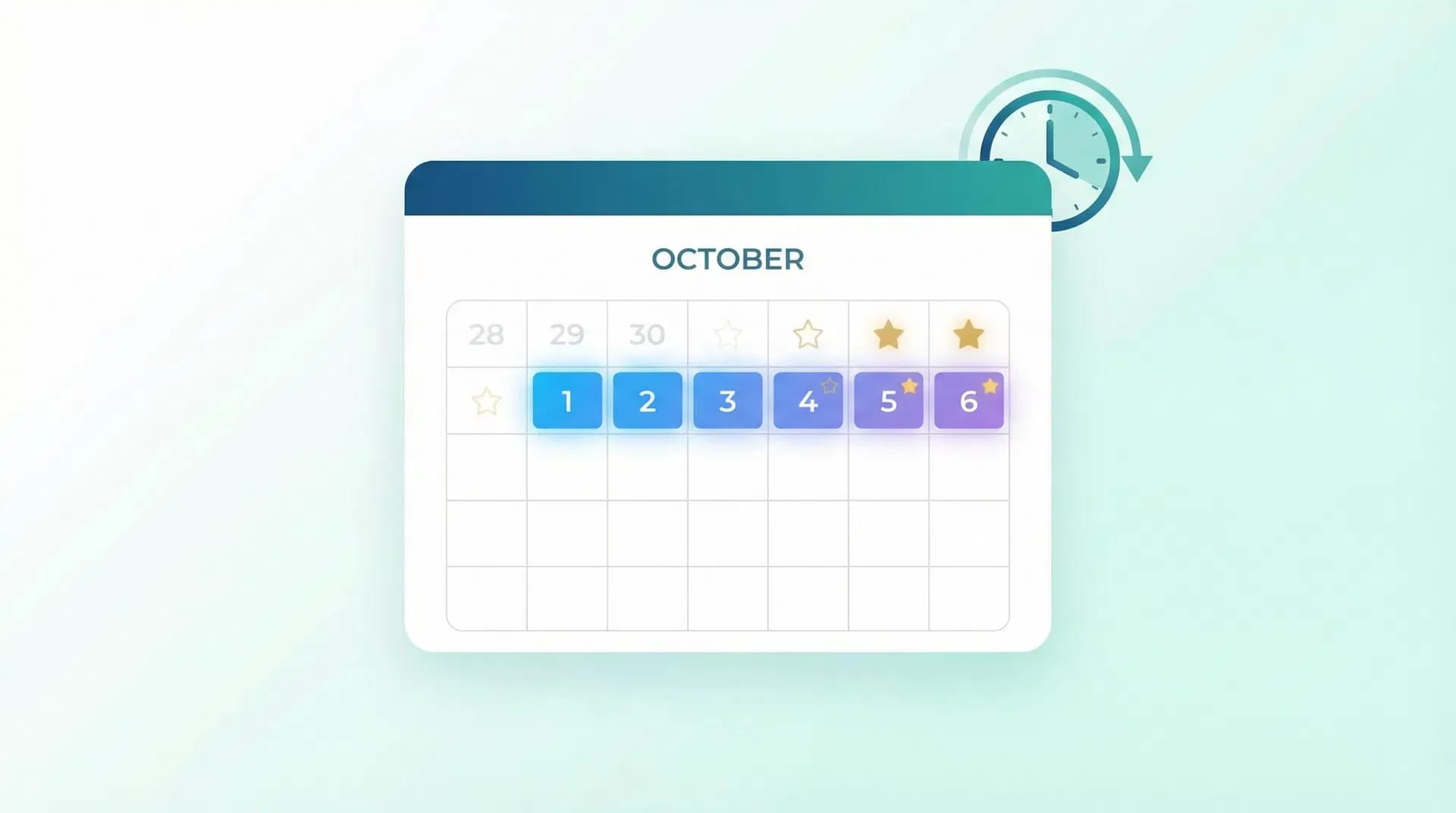
Review recency describes how recently customers have published feedback. It helps you assess whether the reviews visible today reflect the experience your business currently offers.
There is no universal expiry date for a useful review. A comment about yesterday’s seasonal menu and one about a long-standing accessibility feature can both help a prospective customer in different ways.
Track three simple measures
Use a consistent date and measurement window for each location:
| Measure | What it tells you |
|---|---|
| Days since the latest review | Whether there has been a recent gap |
| Reviews published in the last 30 days | The volume of current feedback |
| Themes in those reviews | What customers describe about the present experience |
Thirty days is a practical reporting window, not a Google threshold. Keep the raw counts: five recent reviews at a small appointment business mean something different from five at a high-volume venue.
For example, a fictional café might receive eight reviews in August and two in September. Before drawing a conclusion, check opening days, customer volume and whether the review link was available throughout both months.
Investigate gaps in the process
If feedback slows down, test the invitation from a customer’s phone:
- Does the QR code still open the intended location?
- Is the printed card clean, readable and placed somewhere appropriate?
- Does the flow work without needing the business’s Wi-Fi?
- Can someone decline or leave without posting?
- Has the business closed temporarily or changed its operating pattern?
A quiet month is a prompt to investigate, not proof of poor service. In a gym or studio, class schedules and membership patterns may explain differences between periods. Appointment cycles may matter more for salons and spas.
Keep invitations consistent and optional
Choose a normal moment at the end of the service and make an honest review available without selecting by satisfaction. A counter card, receipt link or follow-up message can suit different businesses.
Google permits review invitations through links and QR codes. Its review-request guidance explains the options. The collection setup guide turns that into an operational checklist.
Measure whether the process works, rather than setting review quotas for individual employees. Customers decide whether to post and what to say.
Read the content alongside the dates
Recent reviews are most useful when you actually examine them. If several mention the same confusing entrance or booking step, identify an owner for the issue and record what changes.
Use customer feedback insights to group observations where helpful. Keep a note of the evidence and avoid attributing every change in review volume to a single intervention.
For clinics, focus public replies on the service experience and avoid discussing medical or other private details.
Keep freshness separate from ranking claims
Google’s published ranking factors do not provide a standalone review-recency formula. A weekly review streak is not a promise of higher placement. For the wider context, see the Maps profile guide.
FAQs
Does an old review stop counting toward the rating?
Age alone does not change the average described in Google’s review-score explanation. Freshness and the numeric score are separate measures.
How often should we receive a review?
There is no universal target. Compare your feedback with your own operating pattern and customer volume, then check for practical gaps in the invitation process.
Should we contact customers repeatedly until they review us?
No. Respect a declined or unanswered invitation. Use a process that is easy to ignore as well as easy to complete.