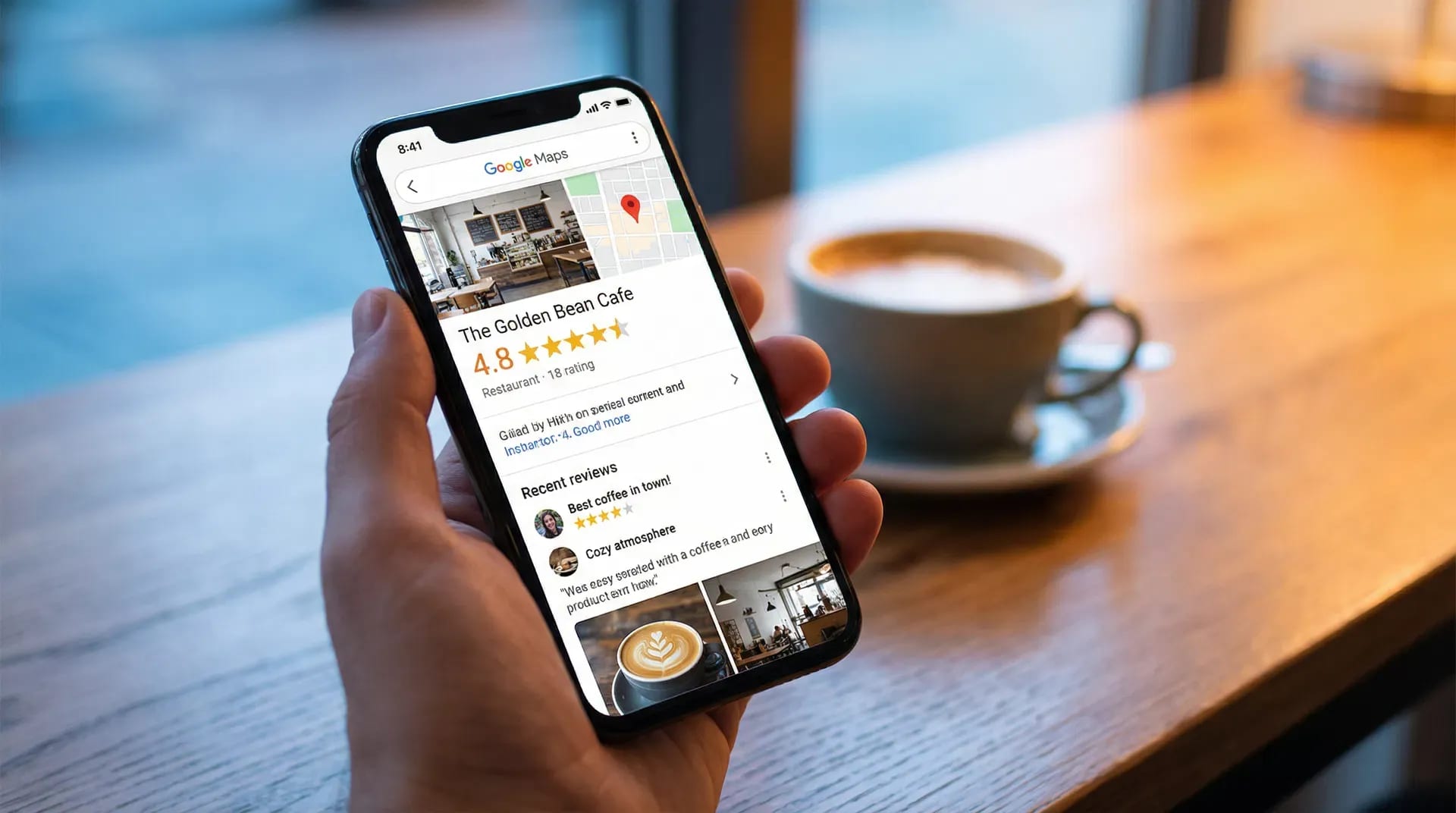
Google Maps results depend on the search and the person making it. Google describes three main factors: relevance, distance and prominence. Reviews and positive ratings can contribute to prominence, alongside other information about the business. Google’s local-ranking guidance is the starting point.
Check the profile before chasing a review target
For a restaurant, begin with the information someone needs to decide whether to visit:
- The correct name, address and map location.
- An accurate business category and description.
- Regular and special opening hours.
- A working menu, booking link and contact number where applicable.
- Current photos that represent the dining experience.
Walk through the profile as a first-time diner. Can someone find the entrance, check the menu and understand when the kitchen is open? Fix missing or conflicting information before attributing poor visibility to review count alone.
What reviews can tell a prospective diner
Written feedback provides details that a score cannot: whether a room is noisy, how a dietary request was handled, or what service was like during a busy sitting. Readers can weigh those details against their own preferences.
Give diners space to describe their actual experience. Avoid dictating keywords, dishes or staff names for them to include. Google’s contribution policy prohibits attempts to manipulate ratings or review content.
Our restaurant review-request scripts keep the invitation neutral. The restaurant product page shows how a QR flow fits around service.
How to interpret review recency
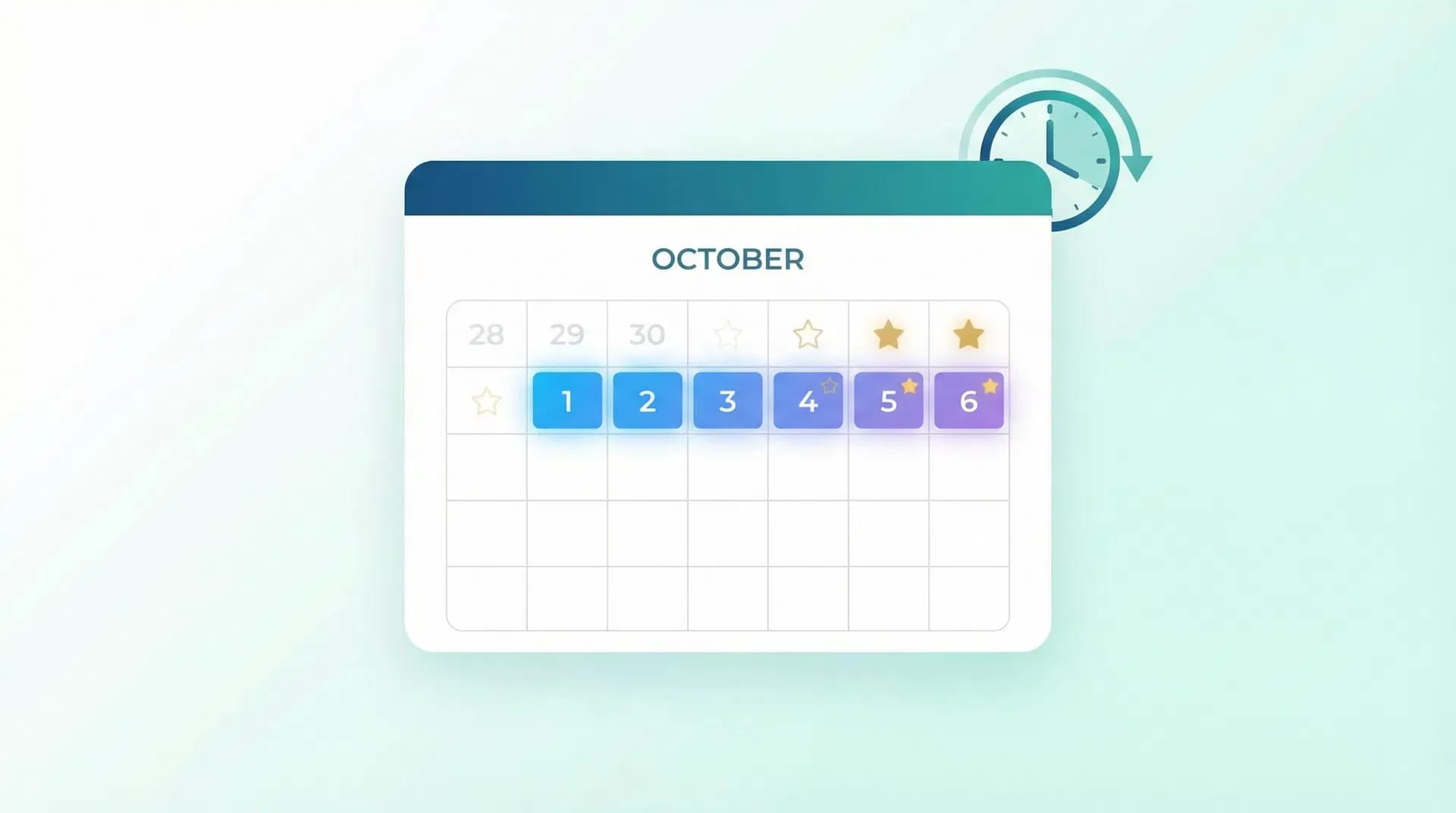
A recent comment can describe the current menu or team more usefully than an older one. That makes freshness worth monitoring as customer information.
However, Google’s published local-ranking guide does not specify a standalone recency boost, a required weekly review count or a review quota that unlocks a position. Avoid treating any of those as a guaranteed ranking formula. The recency measurement guide explains how to track freshness without turning it into a staff target.
Use a repeatable visibility check
A practical monthly review can include:
- Confirm the profile’s opening hours, menu and booking destinations.
- Look at which searches and interactions appear in your available profile reports.
- Review customer comments for changes in the dining experience.
- Record operational changes, seasonal demand and major website updates alongside the numbers.
Comparing a search from the restaurant’s front door with a search across town is not a controlled test: distance differs. A single screenshot of your position is also insufficient to establish a trend.
Connect profile visitors to useful website pages
Send people to the page that answers their question. A menu link should open the menu; a booking link should lead to a usable booking flow. Check these destinations on a phone.
For teams evaluating review tools, Starise’s comparison page outlines differences in the collection workflow. A tool can help run a process, but it cannot promise a Google Maps position.
FAQs
Does a higher rating guarantee a higher Maps position?
No. Google combines multiple factors and results depend on the search context. Rating arithmetic is covered separately in how your Google rating changes.
Should we set a reviews-per-shift target?
Use process checks such as working links and appropriate invitations. Do not pressure staff or diners to deliver a review quota.
Can a restaurant improve its profile without new software?
Yes. Start by checking the profile’s details, website destinations and existing customer feedback. Software is an operational choice, not a prerequisite for keeping that information useful.